Should I Get Botox? What to Know Before Your First Treatment
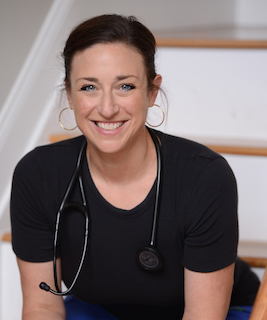
Should I get Botox? When is the right age to start? Will I still look like myself? If you've considered Botox but aren't quite sure if it's right for you, Melissa Worthy, RN, Skin Health Specialist and Aesthetic Injector, answers some of the most common questions she hears from first-time patients—including how she approaches natural-looking results and her own experience with Botox.
Should I Get Botox? What to Know Before Your First Treatment
If you've ever looked in the mirror and wondered, “Should I get Botox?” you're certainly not alone.
Botox® is one of the most well-known aesthetic treatments available, but deciding whether it's right for you can come with a lot of questions. When should you start? Will you still look like yourself? How long does it last? And perhaps the biggest concern for many first-time patients: Will I look frozen?
The decision to get Botox is a personal one, and a good place to start is by understanding what the treatment can—and can't—do.
We asked Melissa Worthy, RN, Skin Health Specialist and Aesthetic Injector at Connected Health, to answer some of the most common questions people have when they're considering Botox.
First, What Does Botox Actually Do?
Botox is a neuromodulator that temporarily reduces muscle activity in targeted areas. In aesthetics, it's commonly used to soften dynamic wrinkles, the lines caused by repeated facial expressions such as frowning, squinting, or raising your eyebrows.
Common treatment areas include:
Forehead lines
Frown lines between the eyebrows, often called the “11s”
Crow's feet around the eyes
Botox also has medical uses beyond aesthetics, including treatment for certain conditions involving excessive sweating and muscle activity.
It's equally important to understand what Botox doesn't do. Botox isn't designed to replace lost facial volume, tighten significantly sagging skin or directly correct concerns such as skin texture and pigmentation. Depending on your concerns, other treatments or a personalized skincare plan may be more appropriate.
That's why an individualized consultation is an important first step.
Should I Get Botox?
According to Melissa, the answer starts with what you want, not with what everyone else is doing. “Botox is a personal choice, not a necessity. It depends entirely on what you want to achieve, your budget and your individual skin goals.” — Melissa Worthy, RN
For someone considering treatment, Melissa recommends first asking yourself why you're interested in BotoxI. If there's a particular line or area that bothers you when you look in the mirror, that's something you can discuss with an injector. An in-person consultation provides an opportunity to evaluate your facial movement, talk about your expectations and determine whether Botox is actually the best option for the result you're hoping to achieve.
In other words, simply being curious about Botox doesn't mean you need it—and scheduling a consultation doesn't mean you're committing to treatment.
What Is the Right Age to Start Botox?
This is one of the most common Botox questions, but there's no birthday that suddenly means it's time to start. Melissa explains, “There is no single ‘right’ age. It depends on your facial anatomy, skin type, lifestyle and expressive habits rather than the date on your birth certificate."
Some people begin exploring what is often called “preventative Botox” in their late 20s or early 30s, when faint expression lines may begin lingering even when the face is at rest. Small, targeted treatments may be used with the goal of limiting repetitive muscle movement that contributes to those lines becoming more established over time.
Others don't consider Botox until their mid-30s, 40s or later, when expression lines may be more noticeable at rest. Botox can still be used to soften dynamic lines at these ages, although more established static lines may require a different or complementary approach depending on the desired result.
For Melissa, the decision to start Botox was personal, too. “My first Botox treatment was when I was 35. I have very strong ‘11s’ from squinting, and Botox has helped smooth those lines between my brows!” And Botox isn't exclusively for people in their 20s, 30s or 40s. Patients in their 50s and beyond may still benefit from treatment of dynamic expression lines. The appropriate treatment simply changes based on the individual.
The takeaway? There isn't a deadline for starting Botox. Your facial anatomy, concerns and goals matter much more than your age.
Will Botox Make Me Look Frozen?
For many first-time patients, this is the question.
The overly smooth, expressionless appearance people sometimes associate with Botox isn't necessarily the goal, or the expected result, of treatment. Melissa says maintaining a natural appearance comes down to thoughtful dosing, precise placement, and understanding how the muscles of the face work together.
“A skilled injector leaves enough muscle movement so you can still laugh, frown and look expressive—just without the deep skin folding.” — Melissa
One approach may involve starting conservatively with smaller doses, sometimes referred to as “Baby Botox” or micro-dosing. The goal is to soften targeted movement without unnecessarily limiting natural facial expression. Placement is just as important as the number of units. Facial muscles work together, so understanding which muscles to target (and which movement to preserve) is an important part of creating a balanced result.
Ultimately, natural Botox shouldn't be about making you look like a different person. It's about developing a treatment plan based on your own anatomy and how much movement you want to maintain.
What Should I Expect at My First Botox Appointment?
If you've never had Botox before, not knowing what to expect can sometimes be more intimidating than the treatment itself. Your first appointment should begin with a conversation. Your injector can evaluate your facial anatomy and movement, ask what you're hoping to achieve and recommend an individualized treatment plan. The injections themselves are performed using a very fine needle, and many patients describe the sensation as a quick, small pinch. The actual injection process is typically brief. There's generally minimal downtime following cosmetic Botox, although temporary redness, swelling, tenderness or bruising can occur at injection sites. Your injector will provide specific aftercare instructions based on your treatment.
And don't expect to walk out of the appointment seeing your final result. Initial changes may begin to appear within the first several days, with the full effect developing over approximately two weeks.
How Long Does Botox Last?
Botox isn't permanent, which Melissa says can be reassuring for someone who's nervous about trying it for the first time. “Botox isn't permanent. Results typically peak around two weeks and gradually wear off over the following months”, explains Melissa. For many patients, cosmetic Botox results last approximately three to four months, although everyone's experience can be different. Over time, muscle activity gradually returns and lines may begin to reappear. At that point, you can decide with your injector whether and when you'd like another treatment.
Nervous About Getting Botox? That's Okay.
Even after doing all the research, it's normal to feel apprehensive about having an aesthetic treatment for the first time. Melissa encourages first-time patients to remember a few things: Botox is temporary, treatment is relatively quick, there's typically minimal downtime and the results develop gradually rather than appearing all at once.
Most importantly, you can start with a conversation. “If you're nervous, ask questions. Your first appointment is about understanding your goals and making sure you feel comfortable with the treatment plan.” — Melissa
A good consultation should leave you feeling informed—not pressured.
So, Should You Get Botox?
Botox isn't something you need to do at a certain age, and choosing treatment should never feel like checking a box. If certain lines bother you, you're curious about preventative treatment or you simply want to understand your options, an individual consultation with a qualified medical professional is the best place to start.
At Connected Health, Melissa takes a personalized approach to aesthetics, considering each patient's facial anatomy, concerns and desired results before recommending a treatment plan. The goal isn't to make everyone look the same. It's to help you make an informed decision about what feels right for you.
Curious if Botox is right for you?Schedule a consultation with Melissa Worthy, RN, to discuss your goals, ask questions and learn more about your options.
For added convenience, in-home Botox appointments are also available at no additional charge, allowing Melissa to bring treatment to you. Contact the Connected Health team to learn more or schedule an appointment.
%20(1).png)

%20(14).png)